Queer Nightlife in Sydney — where 'everyone welcome' actually means it.
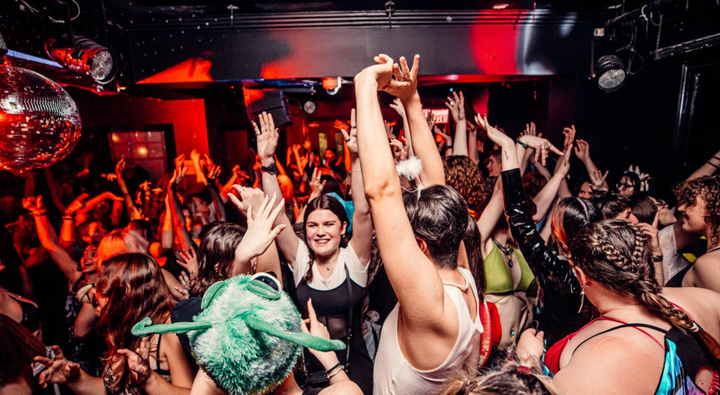
The difference between 'gay nightlife' and 'queer nightlife' isn't just wording. It's a postcode, a crowd, and a whole different energy after midnight.
The regulars
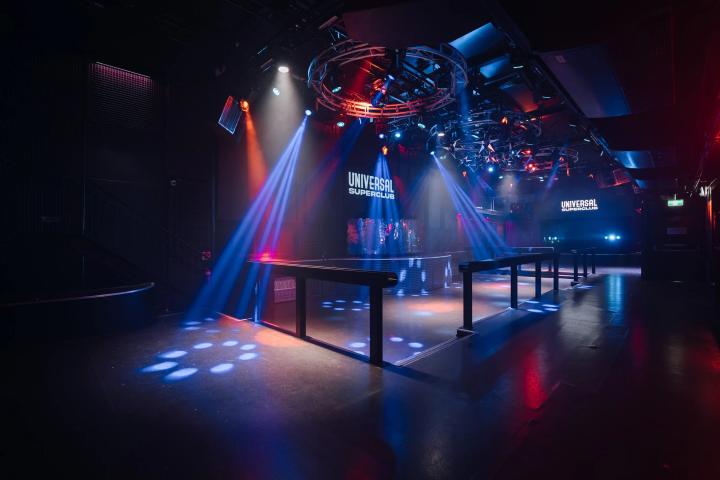
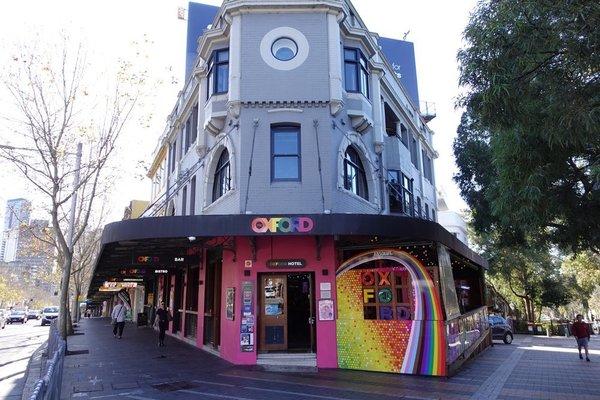
Here's the distinction nobody explains to visitors. Gay nightlife in Sydney means Oxford Street: commercial, dance-driven, historically male, tourist-friendly.

Continue reading the guideThat's enough for now
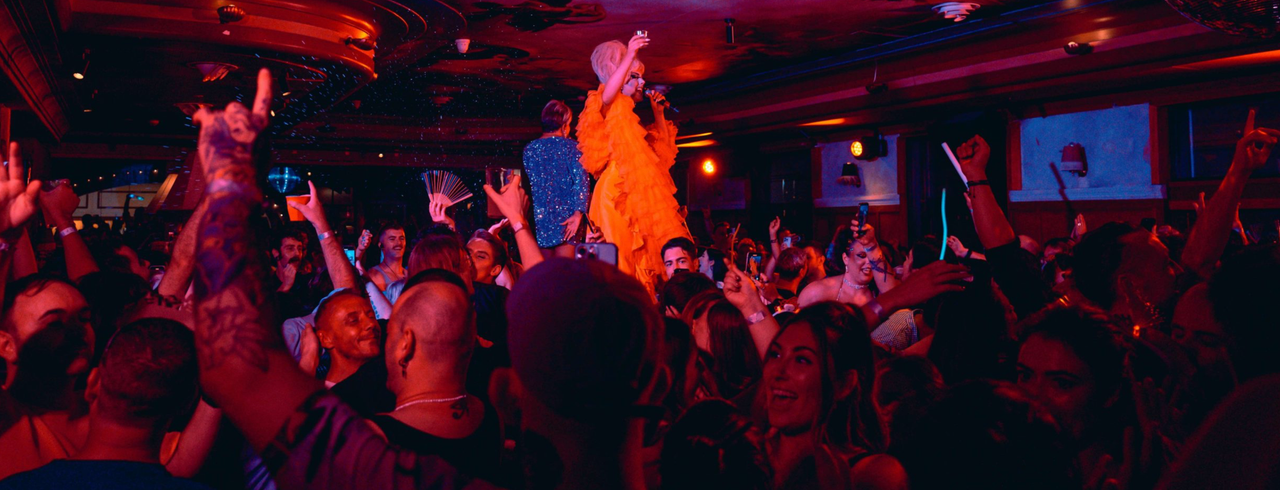
Queer nightlife means the Inner West and the roaming parties: mixed, alternative, and far more likely to have women, trans folks and non-binary people front and centre rather than as an afterthought. Same city, different dialect.
The Inner West heartland
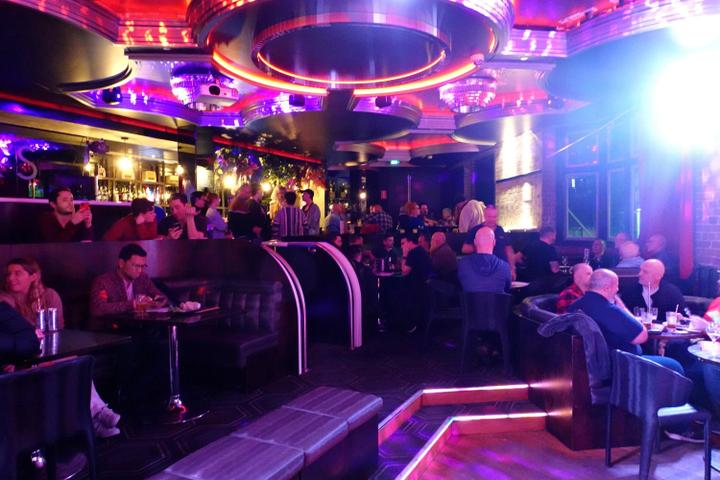
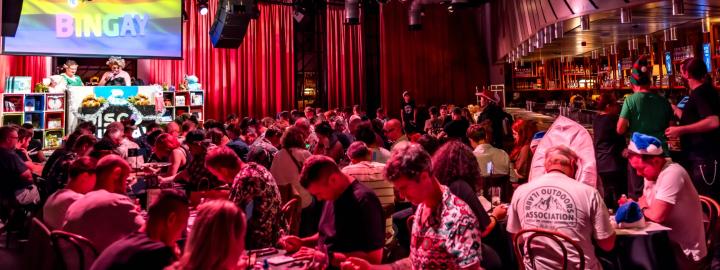
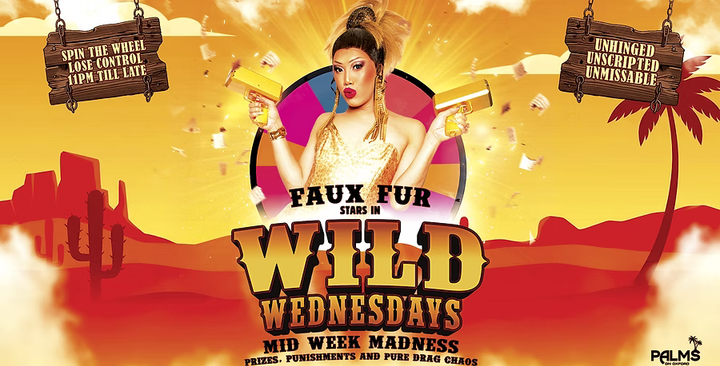
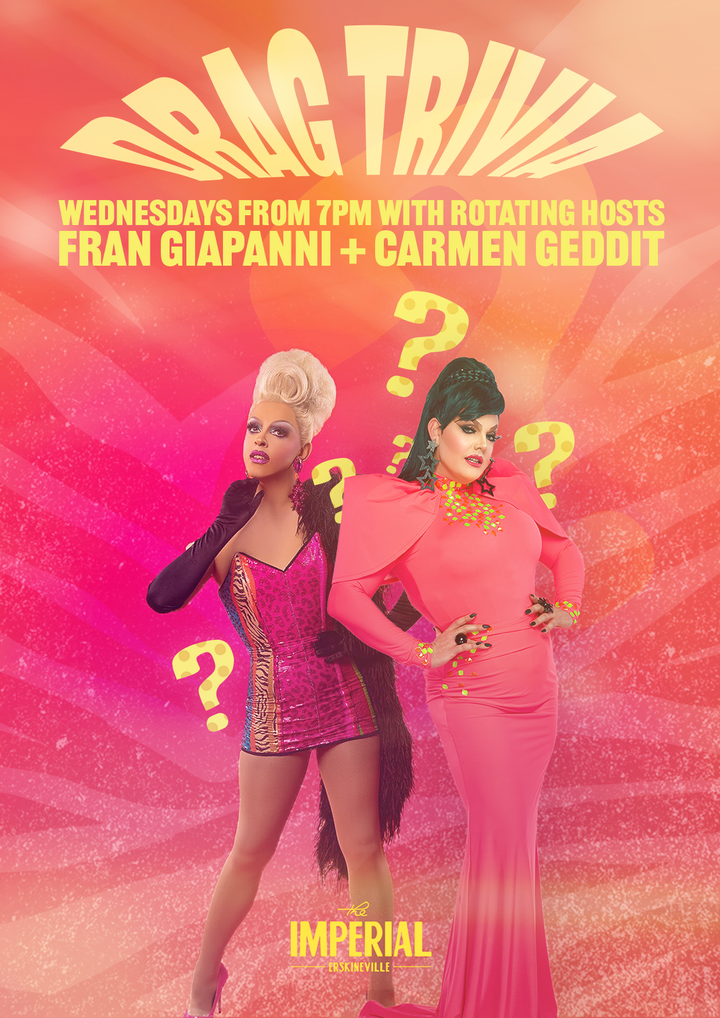
If queer nightlife has a capital, it's the strip from Newtown to Erskineville.  The Imperial Erskineville (opens in a new tab) is the anchor — drag heritage upstairs, a sweaty dancefloor below, and a program that runs Wednesday to Sunday.
  Newtown Hotel (opens in a new tab) is the 40-year community pub, casual and drag-forward.
  Bank Hotel (opens in a new tab) on King Street hosts the beloved weekly queer night (more on that in the lesbian pages, because it matters there most). It's less about superclubs and more about small rooms full of people who actually talk to each other.
Why it moved here
This isn't an accident of taste. The lockout laws (2014–2021) throttled the CBD and Oxford Street's late trade — the legendary Midnight Shift closed in 2017 citing exactly that — and a lot of the city's nocturnal energy relocated somewhere the licensing was friendlier and the rents (once) cheaper. The Inner West caught it. What looks like a scene 'preference' is partly a policy scar.
How to work it
Queer nightlife rewards a slower approach than Oxford Street's dancefloor sprint. Start with a schooner somewhere with a beer garden, follow the drag, and let the night find its own level. The trains from the CBD to Newtown and Erskineville run late on weekends, and rideshare is everywhere, so you're never stranded.
The one caveat: this scene has been losing rooms. The dearly-departed Bearded Tit in Redfern — an arty, lesbian-and-trans-beloved bar — closed in late 2025 after eleven years, and its absence is genuinely felt. Queer nightlife here is vital, but it isn't invincible. Show up. Spend money. That's the only thing that keeps rooms open.
Chapter 1 · The bit nobody tells you
A scene queen tells you the truth: nightlife moves fast. Here's what was true as this guide went to bed, and what to double-check.
This guide is written to be evergreen — built around venues, neighbourhoods and recurring nights that hold true across a year, not one-off dated listings. But queer nightlife churns, and a few things below are worth a same-week check before you build a night around them.
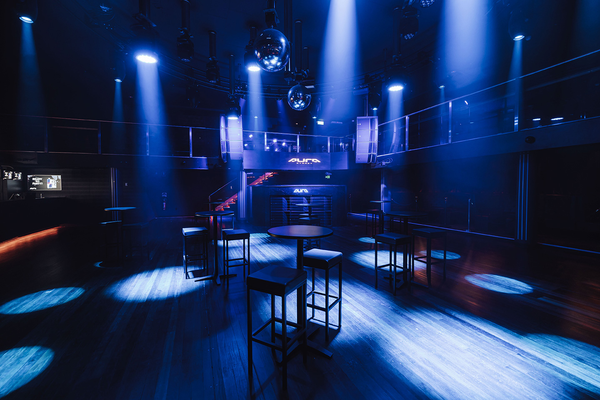

Recently closed (don't turn up): the historic Stonewall on Oxford Street (into administration, 2026); The Bearded Tit, Redfern (closed late 2025); Ken's at Kensington sauna (closed 2012); Bodyline sauna (now Sauna X by 357).
Changed / worth confirming:  ARQ (opens in a new tab) went through a closure and an 'Aura' rebrand before returning as ARQ in 2026 — open again, but a venue that's proven it can surprise you.
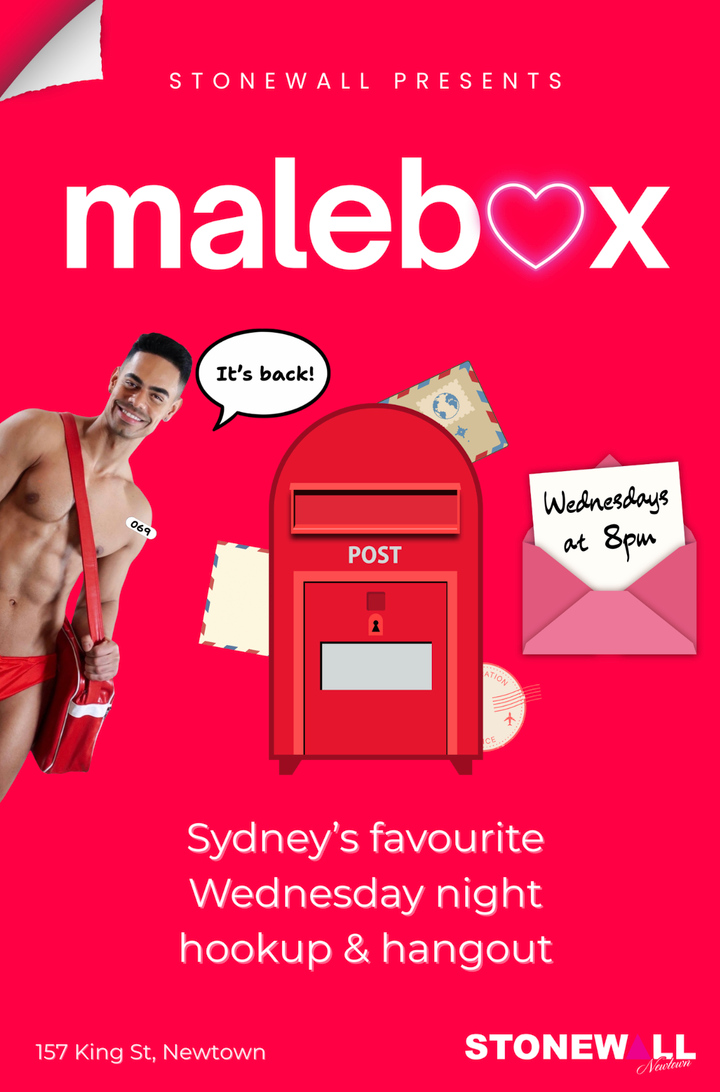
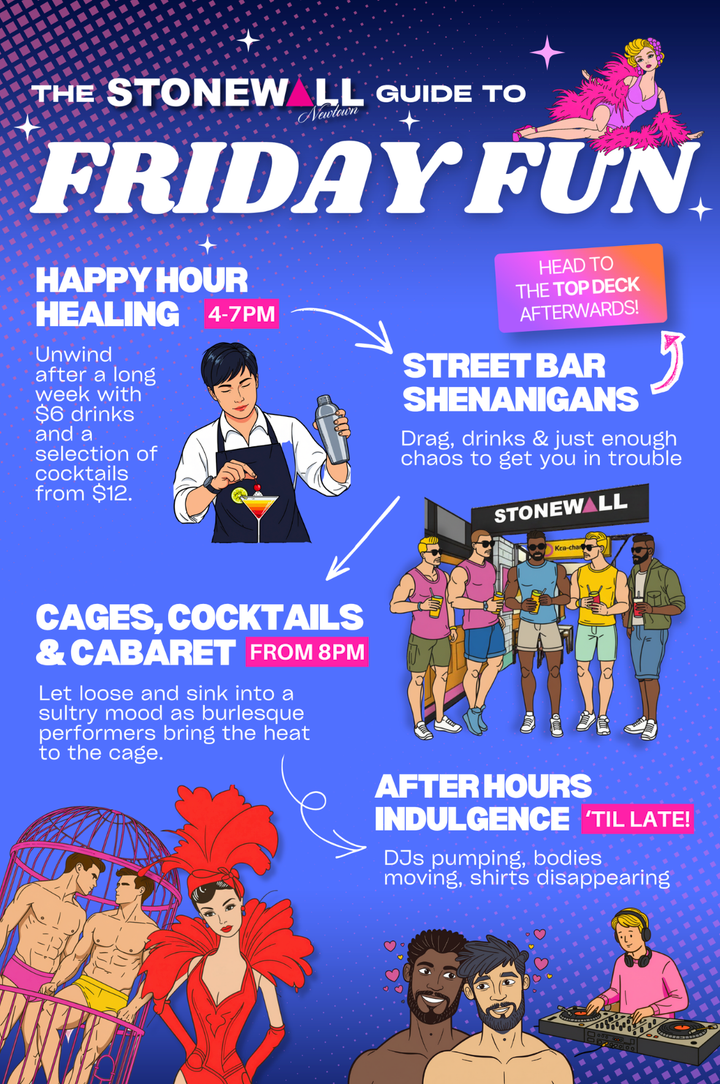
  Stonewall Newtown (opens in a new tab) is the brand's new King Street home. 357 / Sauna X is mid-relocation between Sussex Street and Taylor Street.

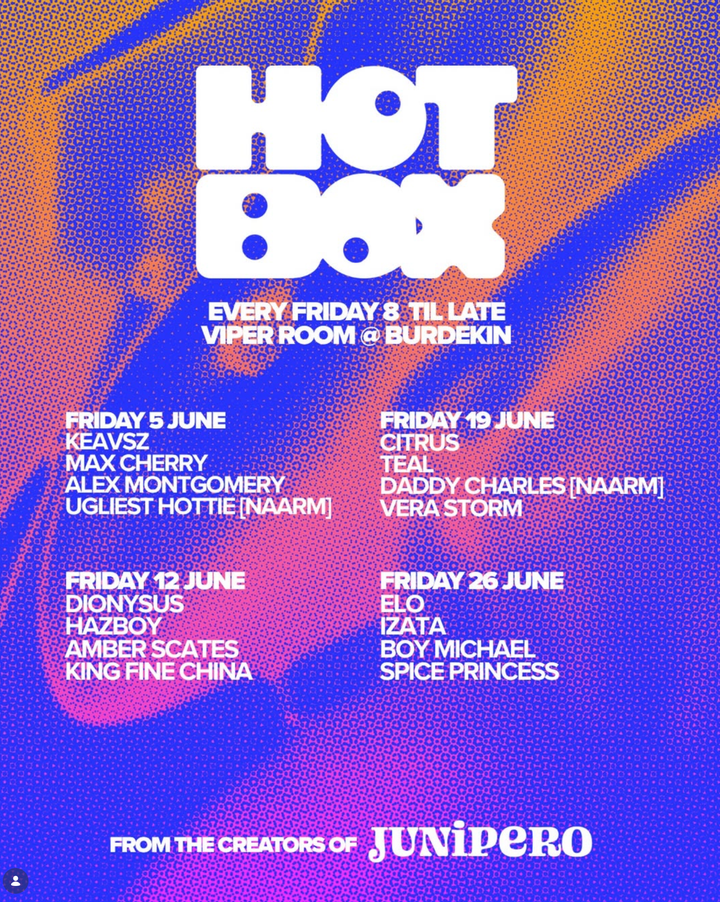
The golden rule: the night increasingly matters more than the venue — roaming and touring party brands ( Poof Doof (opens in a new tab), Honcho Disko, Unicorns, Dykotomy, Lady Muck, Fluffy, Precious, Club GAYDAY) move by design, dedicated venues keep thinning, and festival dates shift every year. A venue's own Instagram is the truest source of what's on tonight. Use this guide for the map and the verdicts; use their socials for the where-and-when. Now go — the good stuff doesn't happen on the couch.
— KIKII
Back to the chaptersJust visiting? Where to stay, when to comeRight — back to the nightlife
Chapter 2 · If you're visiting
Accommodation, timing and the tourist FAQ.
Everything the guide above assumes you already know — sorted, so you can book smart and arrive sorted.

Where to stay
Stay where the scene is and you'll thank yourself at 2am. Darlinghurst puts you steps from Oxford Street. Surry Hills is trendier and more residential but still an easy walk to the strip (and to the  Beresford (opens in a new tab)). Potts Point / Elizabeth Bay sits just north — a bit calmer, good hotels, a short stroll to the action. For the alternative scene, base yourself in Newtown. Boutique names that have long been popular with gay travellers include the Kirketon and Medusa in Darlinghurst; misterb&b is widely used for gay-hosted stays. Sydney is broadly gay-welcoming across mainstream hotels these days, so you're not restricted to 'gay' properties.
When to come
The single biggest timing fact: Australia's Pride peak is February–March (Mardi Gras (opens in a new tab)), not June. Come in that window for the scene at full blast — but book flights and accommodation months ahead, because prices spike and rooms vanish. Want the scene without the crush and the surge pricing? Autumn (March–May) or spring (September–November) are lovely, and September also catches Sydney Fringe and a Queer Screen film festival.
Is it safe and welcoming?
Yes — genuinely. Sydney consistently ranks among the world's most queer-friendly cities, with marriage equality since 2017 and solid legal protections. Public affection in the gay neighbourhoods is completely unremarkable. Apply the same night-out common sense you would in any big city, and you'll be fine.
Getting around
The Darlinghurst/Oxford Street strip is compact and walkable end to end. Newtown and Erskineville are 10–20 minutes from the CBD by train, and Sydney runs late-night weekend train services on key lines. Grab an Opal card (or tap a contactless card) for trains, buses, light rail and ferries, and rideshare is everywhere for the trip home. Plan four to five days minimum if you want to do both villages justice.
Back to the chapters